
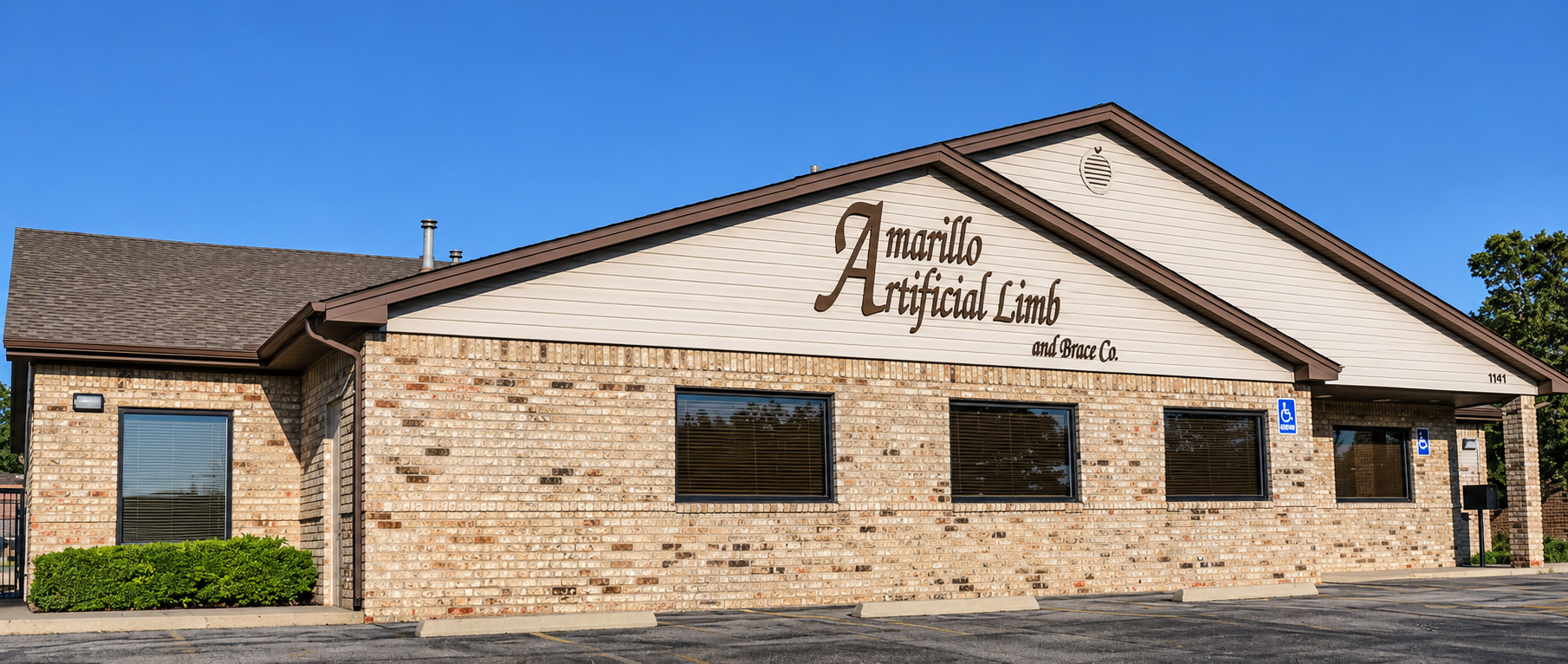
How a Texas prosthetics clinic is combining decades of hands-on expertise with digital technology to deliver personalized patient care.
For more than two decades, Amarillo Artificial Limb and Brace has built its reputation on a simple philosophy: do what is best for the patient.
Located in Amarillo, Texas, the clinic has spent years helping individuals regain mobility through personalized prosthetic care. Today, under the guidance of longtime prosthetist Chad Mason and the next generation of clinicians, including Caleb, the practice is finding new ways to combine traditional craftsmanship with emerging technology.
From Sculpting to Prosthetics
Chad Mason’s journey into prosthetics began in an unexpected place: an art studio.
Originally attending college on a scholarship for sculpture, Chad soon realized he wanted to pursue a different career. He transitioned into pre-medical studies before discovering orthotics and prosthetics, a profession that allowed him to combine his interest in healthcare with his natural ability to work with his hands.
Chad began working as a technician in 1992, graduated from his prosthetics program in 1996, and established his own practice in 2000.
When he first entered the field, prosthetic fabrication was almost entirely hands-on. Clinicians relied on casting, molding, sculpting, and manual adjustments to create devices tailored to each patient’s anatomy.
More than 30 years later, those traditional skills remain central to his practice. But with Caleb bringing a strong interest in digital technology, the clinic has gradually expanded its capabilities to include scanning and 3D printing.
“We’ve made a really good transition from old school to modern tech,” Chad shared.
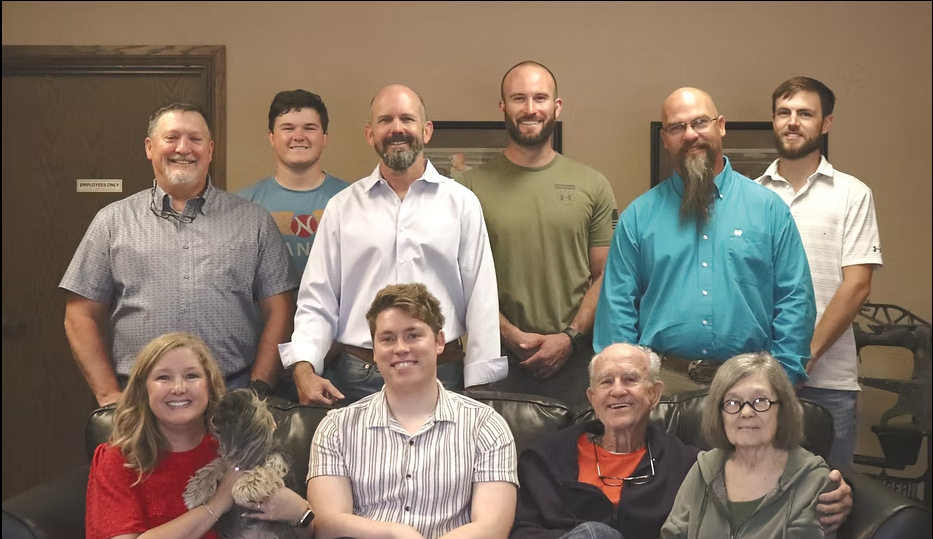
Image courtesy of Amarillo Artificial Limb and Brace Co. https://www.amarilloartificiallimb.com/
Together, they represent two generations of prosthetic care, each contributing a different perspective to the same goal.
Discovering Limber
Although Chad had witnessed the evolution of digital prosthetics throughout his career, he initially approached newer technologies with some hesitation.
Early scanning systems had been available for decades, but their capabilities were limited compared to today’s technology. Chad also wondered how some of his longtime patients, particularly older individuals, would respond to 3D-printed prostheses.
As Caleb became increasingly interested in digital fabrication, the clinic began exploring how these tools could complement its existing processes.
Chad and Calen first encountered Limber through social media, where he had seen the company’s technology and patient success stories. His interest grew when a Limber patient advocate traveling through Texas contacted the clinic and stopped by wearing his own prosthesis.
That introduction eventually led Amarillo Artificial Limb and Brace to incorporate Limber’s prosthetic technology into its patient offerings.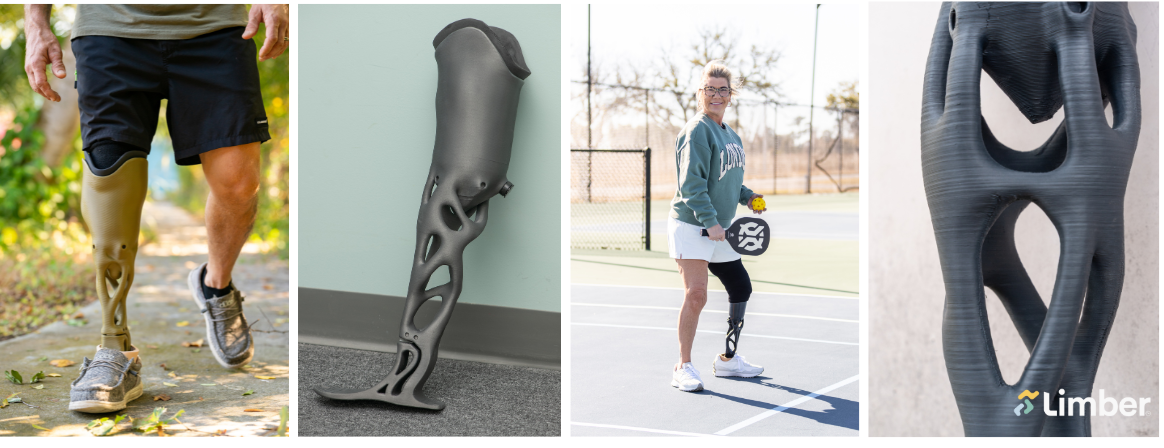
Bringing the Limber Px1 Into Practice
The clinic initially introduced the Limber Px1 as a durable, water-friendly prosthetic option for patients looking to navigate everyday activities and outdoor environments.
In the Texas Panhandle, that might mean showering more comfortably, spending time around local waterways and creeks, or exploring the outdoors without relying on a primary prosthesis for every activity.
The team purchased an initial dozen devices and has since fitted nearly 10 patients, including a recent successful fitting for a bilateral amputee.
According to Chad, the response has been overwhelmingly positive.
“Everybody talks about the weight,” he explained, identifying the Px1’s lightweight design as one of the most consistently appreciated features among patients.
The clinic has also been pleased with the responsiveness of the Limber team. For Amarillo Artificial Limb and Brace, having reliable support has helped make the integration of a new prosthetic option into an established practice a positive experience.
Technology That Builds on Clinical Expertise
One of the most important aspects of Amarillo Artificial Limb and Brace’s experience with Limber has been the relationship between digital manufacturing and clinical expertise.
For Chad, successful prosthetic care begins long before a device is manufactured. Fit, alignment, comfort, and patient safety are carefully evaluated through a process developed over decades of experience. When the clinic began incorporating digital fabrication, Chad wanted to ensure that those standards would remain unchanged.
Chad credits much of the clinic’s success with Limber to the precision with which the technology reproduces the fit and alignment established by the clinician.
“When replicating, you guys are spot on,” he said.
That distinction is important. While Limber provides the tools and technology to manufacture a prosthetic device, the clinician remains responsible for evaluating the patient’s needs and determining the appropriate fit and alignment. Rather than removing the clinician from the process, it allows the clinic to build upon its existing expertise while expanding the options available to patients.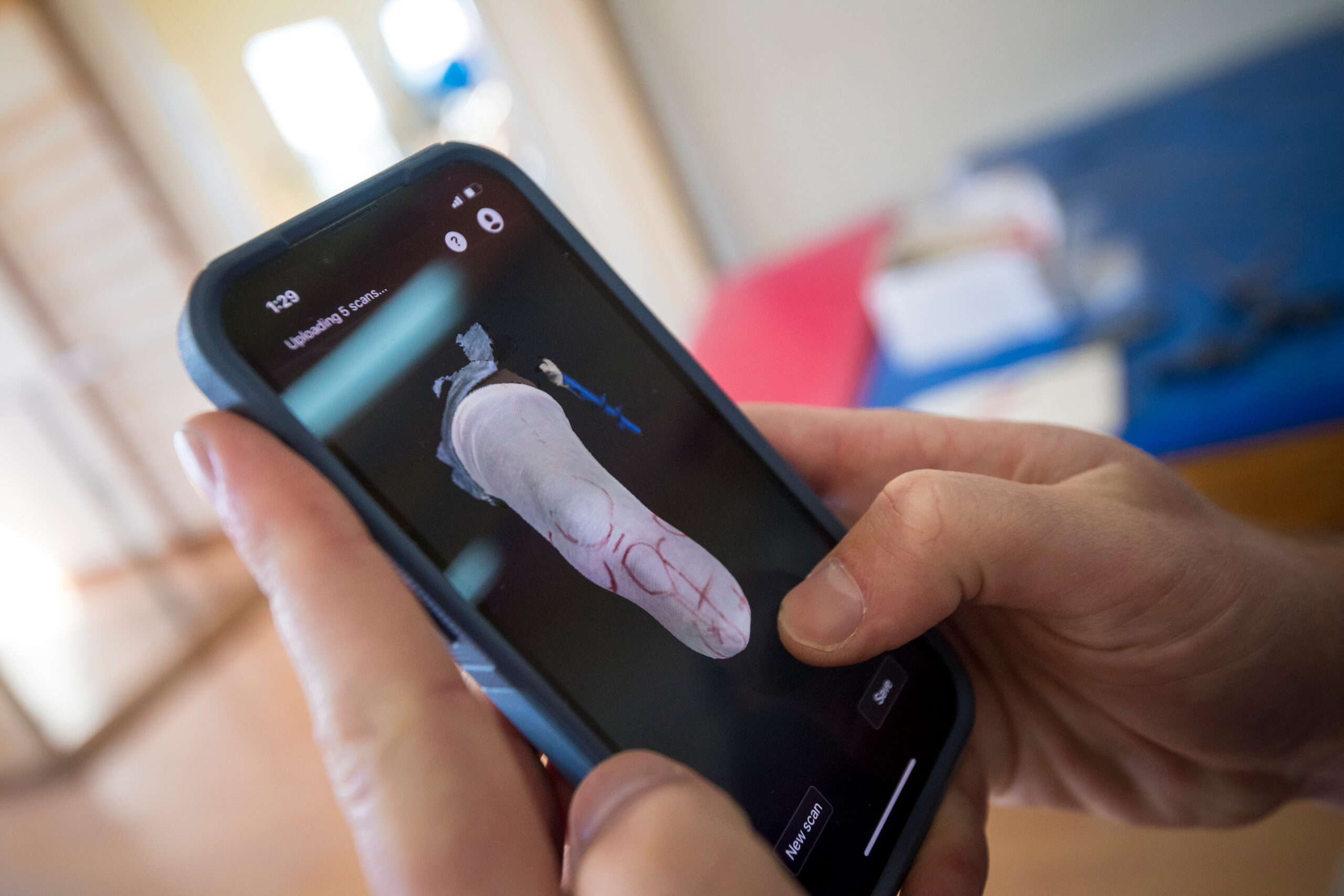
Finding the Right Balance Between Traditional and Digital Methods
As digital technology becomes more common in prosthetics, Amarillo Artificial Limb and Brace has embraced a hybrid approach.
Caleb’s familiarity with scanning and digital workflows has helped the clinic incorporate new tools without abandoning the techniques that have served patients well for decades.
The team has found Limber’s scanning application straightforward to use, with a clearly organized workflow that makes it easy to understand what information is needed. Subsequent updates have continued to improve the experience.
At the same time, Chad believes traditional casting will always have a place in prosthetic care.
Every residual limb is different, and some patients present anatomical challenges that are best addressed through hands-on techniques. Other times, the clinic combines both methods. Chad may create a mold by hand, which Caleb can then scan to produce a 3D-printed diagnostic socket.
This flexibility allows the team to select the most appropriate process for each patient rather than committing to one method for every situation.
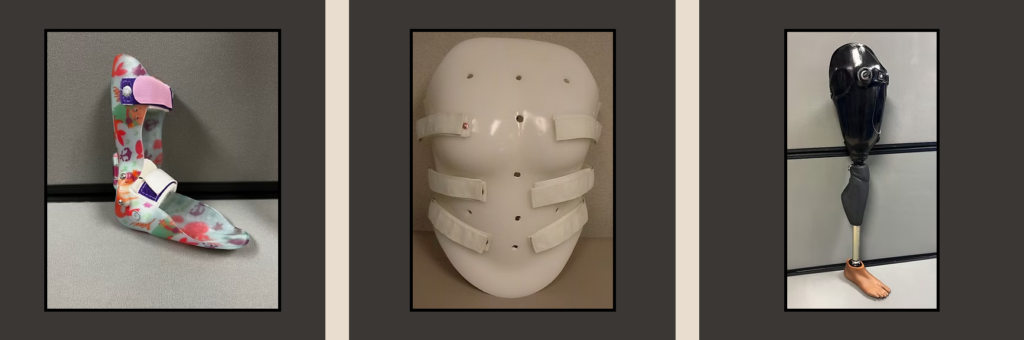
Image courtesy of Amarillo Artificial Limb and Brace Co. https://www.amarilloartificiallimb.com/
“We’re going to utilize whatever system, whatever technique, whatever we need to do to have the best outcome for that person,” Chad explained.
For Chad and Caleb, the value of innovation lies not in replacing traditional methods, but in giving clinicians more ways to meet each patient’s individual needs.
The ability to move between traditional and digital techniques has also created opportunities for greater efficiency. While a diagnostic socket is being printed, the clinical team can continue working on other aspects of patient care.
Looking Toward the Future of Prosthetic Care
After more than three decades in prosthetics, Chad has seen countless innovations enter the industry. Some have transformed clinical practice, while others have struggled to demonstrate lasting value.
For Amarillo Artificial Limb and Brace, the question is not whether digital fabrication will replace traditional techniques. It is whether a particular tool can help the clinic provide better care.
Chad believes the future will likely involve a continued combination of methods, with digital technology playing an increasingly important role while hands-on clinical skills remain essential.
“I would recommend it to other clinicians, especially if you’re already versed in scanning and the digital world of O&P,” Caleb shared. “It’s just another tool to your tool belt.”
For Limber, partnerships like the one with Amarillo Artificial Limb and Brace reflect a broader vision for the future of prosthetics: combining innovative manufacturing technology with the experience and expertise of the clinicians who know their patients best.
At Amarillo Artificial Limb and Brace, that philosophy is already taking shape. By embracing new tools without compromising the craftsmanship and personalized attention that have defined the practice for decades, Chad and Caleb are demonstrating that progress in prosthetic care doesn’t require choosing between tradition and innovation.