
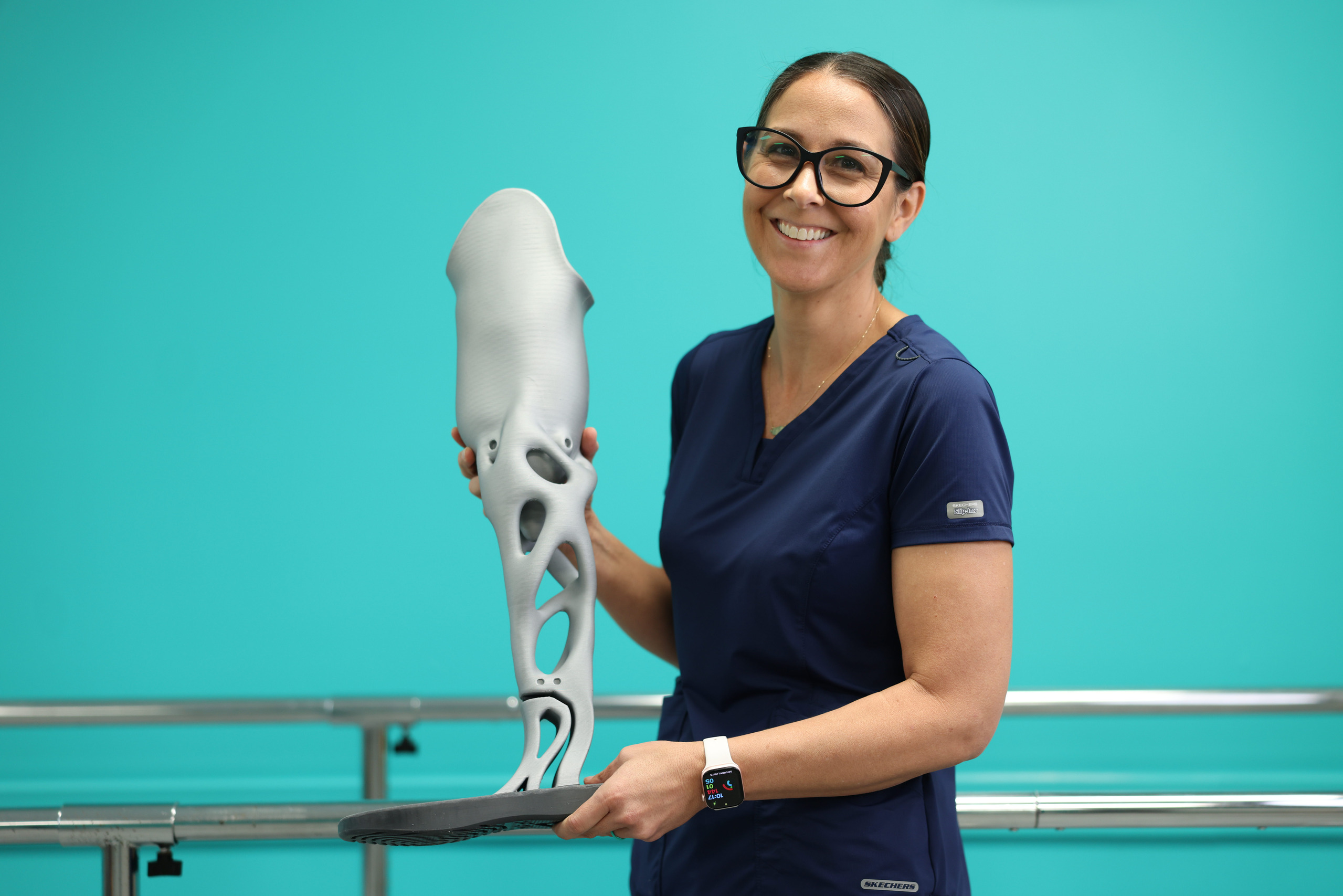
For more than 30 years, Cara Negri has dedicated her career to helping individuals with limb loss regain mobility, independence, and confidence. As the Practice Manager, Lead Prosthetist, and Residency Director at Gainesville Prosthetics in Florida, Cara brings a unique combination of engineering expertise, clinical experience, and a passion for patient education to her work.
Through Gainesville Prosthetics’ partnership with Limber, Cara has found a new way to address some of the challenges her patients face, particularly when it comes to lightweight, water-friendly prosthetic technology.
A Lifelong Passion for Prosthetics
Cara’s interest in prosthetics began long before she entered the profession. In fourth grade, she discovered a book titled Michelle, which told the story of a young girl who lost her leg to cancer but continued pursuing activities like horseback riding and skiing.
Her interest only grew from there. She was immediately drawn to the profession and began volunteering in a prosthetics clinic while still in high school. Cara later earned a degree in mechanical engineering with a concentration in bioengineering from Kettering University, working as a prosthetic technician throughout her studies. She went on to complete Northwestern University’s Prosthetics Program and became a certified prosthetist in 2004.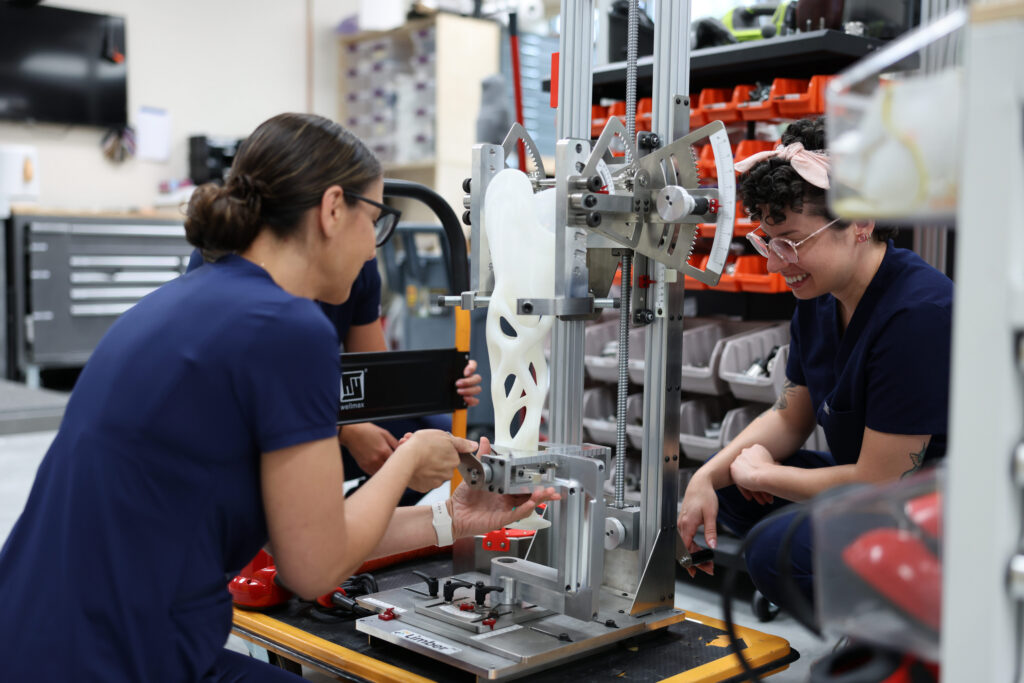
Her experience in both engineering and patient care has shaped her approach to prosthetics, allowing her to evaluate new technologies through the lens of both technical design and practical functionality.
Discovering Limber: A New Approach to Everyday Mobility
Working in Florida, Cara regularly encounters patients who want to enjoy the water without worrying about damaging their prosthetic devices.
Between saltwater, sand, and corrosion, maintaining a traditional prosthesis in coastal environments can present ongoing challenges. Many patients want a reliable water-friendly option but struggle to find one that also provides comfortable, functional walking.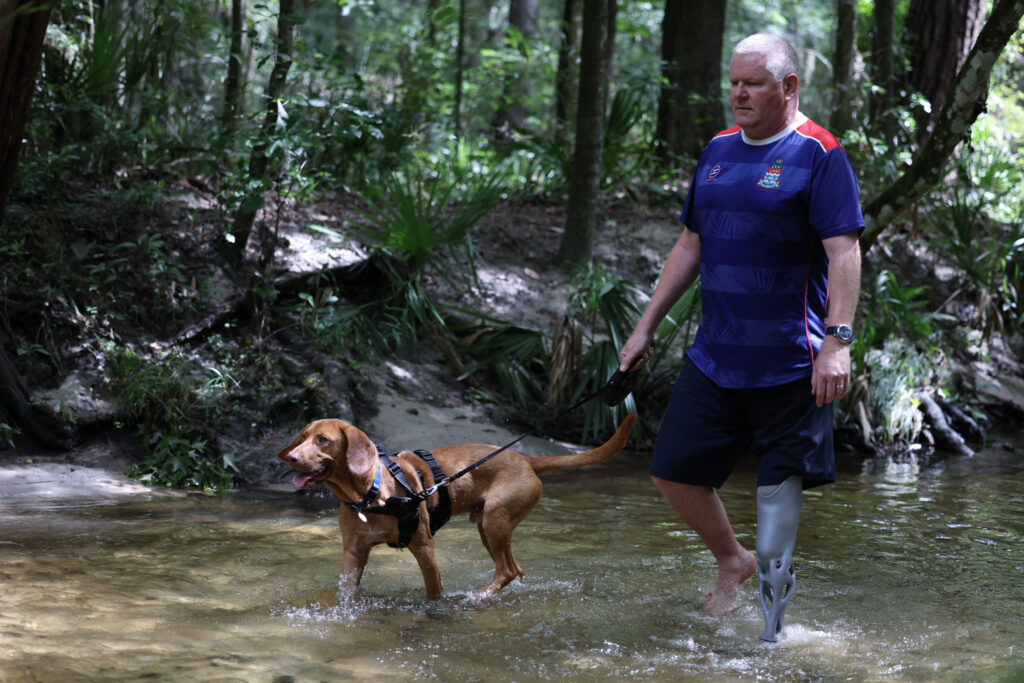
Cara first encountered Limber’s technology at an American Orthotic & Prosthetic Association (AOPA) meeting in Charlotte, North Carolina. After noticing a woman walking with the distinctive Px1 prosthesis, she stopped to learn more about the device and was introduced to the Limber team.
With a background in mechanical engineering and additional training in additive manufacturing through MIT, Cara immediately recognized the engineering principles behind the Px1’s unique design.
Her experience with generative design had introduced her to structures that minimize material while maintaining strength, making Limber’s lightweight, 3D-printed approach particularly interesting.
While she appreciated the innovative design, what ultimately stood out was the potential to offer patients a water-friendly prosthesis without compromising everyday mobility.
“I understood the concept right when I saw it. I knew it would be strong and I knew that it would be lightweight. The thing that stood out to me is that oftentimes when I see prosthetic feet that are made for water, they’re just terrible walking feet. I knew the Limber leg was going to be really good for my patients to walk with too.” Cara explained.
For Cara, a prosthesis designed for water activities should still provide the functionality patients need throughout their daily lives.
Bringing the Px1 to Patients
Since beginning her partnership with Limber, Cara estimates she has fit close to a dozen patients with the Px1, receiving consistently positive feedback. “My patients are very happy. I haven’t had anybody that’s unhappy with them,” Cara shared.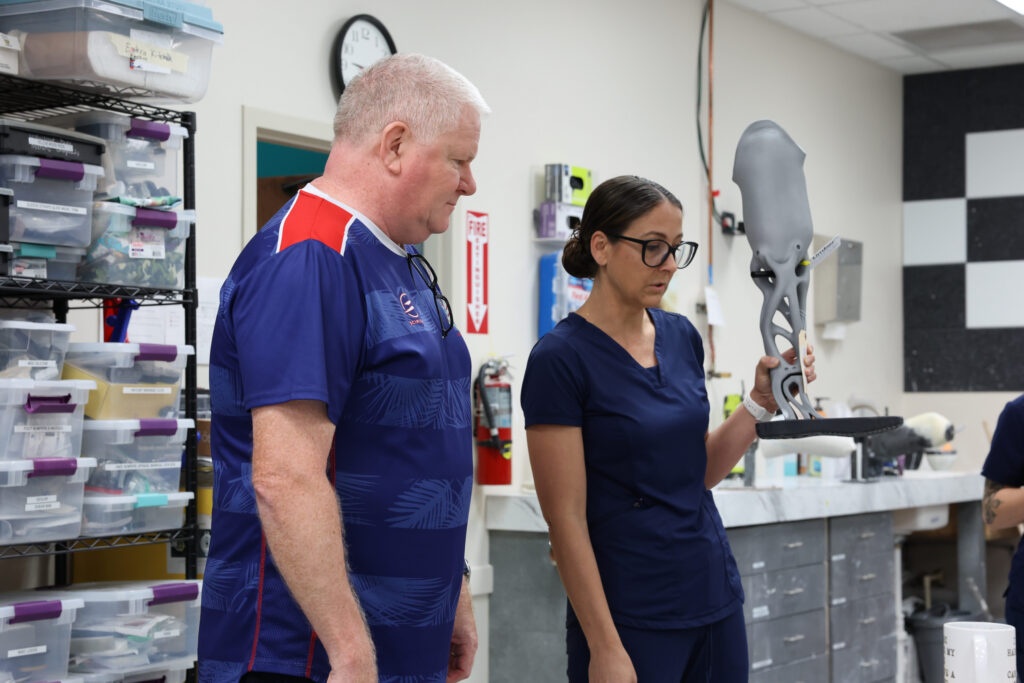
One of her earliest patients traveled from the Cayman Islands in search of a prosthetic solution that would allow him to comfortably return to the water.
After being fit with the Px1, he was able to experience walking in the water again for the first time in several years.
“It was really cool to see him experience walking in the water for the first time in a few years,” Cara recalled.
The fitting process was equally encouraging. With careful dynamic alignment, Cara was able to achieve a successful fit without requiring additional adjustments.
Her experience with technical fabrication and digital scanning also made Limber’s workflow a natural extension of her existing clinical practices.
Although the Px1’s design and adjustment process may initially appear unfamiliar to some clinicians, Cara has found the technology straightforward to incorporate into patient care.
Beyond its water-friendly capabilities, one of the most consistent benefits she hears from patients is the device’s lightweight construction.
“The biggest thing is how lightweight it is,” Cara shared.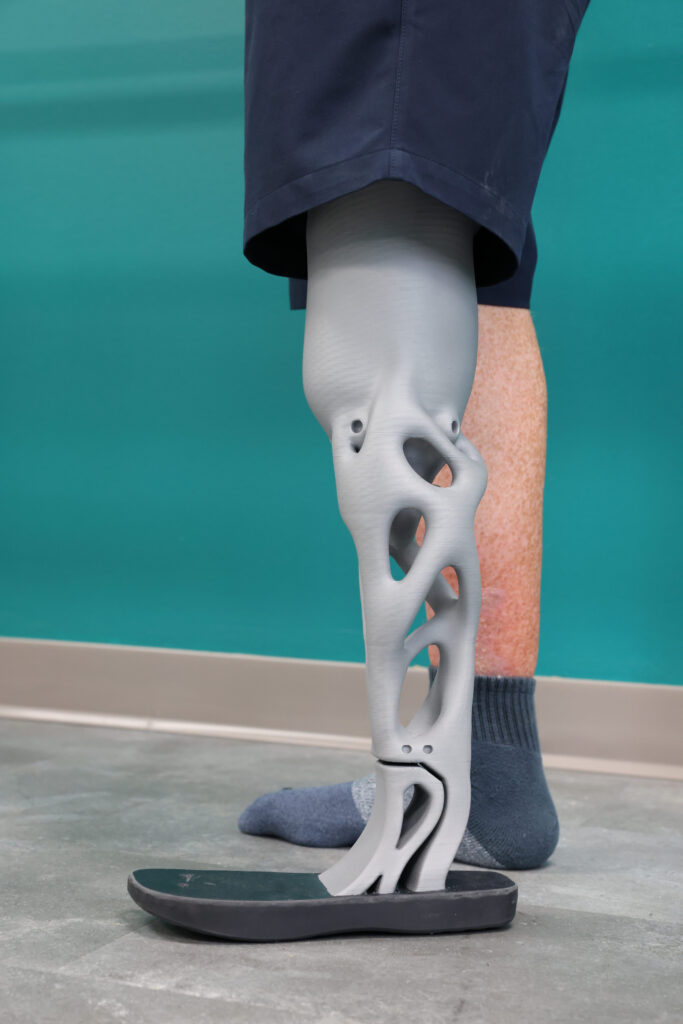
She recalled fitting a bilateral patient who initially requested cosmetic foam covers and skins for her Px1 prostheses. After experiencing the added weight, the patient returned and asked to have the coverings removed, preferring the lighter feel of the devices without them.
For Cara, experiences like these demonstrate how even relatively small differences in weight can influence a patient’s comfort and preferences.
Expanding Possibilities Through Accessible Prosthetic Care
Another important aspect of Cara’s experience with Limber has been the flexibility to meet patients at different stages of their rehabilitation.
She recalled working with a young, active woman who was receiving her first prosthesis. Rather than starting with a traditional preparatory device, Cara discussed using the Px1 from the beginning.
The decision offered a unique advantage: as the patient’s needs and residual limb changed, Cara could adjust the fit by replacing the device’s internal inserts, allowing her to continue using the prosthesis. “I can even grind on the inside of them and create areas of relief if I need to,” Cara notes.
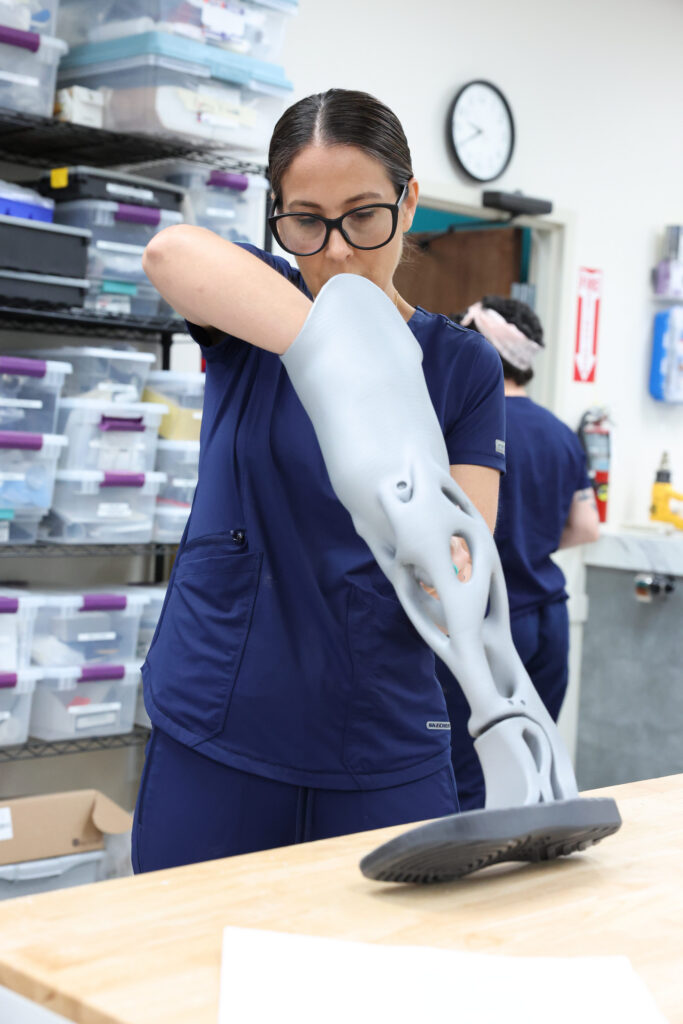
It also meant the patient would retain a water-friendly prosthetic option as she progressed through rehabilitation.
Cara believes Limber’s manufacturing approach can help make prosthetic technology more financially accessible, both for individuals without insurance and for those seeking a dedicated recreational prosthesis. “Its cash price makes it a very affordable option for people who don’t have insurance and for people who want a recreational prosthesis. I’ve had a lot of people pay cash for them.”
For patients who want to enjoy the beach, pool, or other water activities without risking damage to their everyday prosthesis, having a more affordable alternative can make a meaningful difference.
Embracing Innovation While Preserving Clinical Expertise
With decades of experience in both traditional fabrication and emerging manufacturing technologies, Cara sees a future where digital innovation and hands-on clinical expertise continue to complement one another.
While digital scanning and additive manufacturing can introduce new efficiencies and possibilities, the fundamentals of patient care remain essential.
Cara emphasizes the importance of thorough test socket fittings, careful dynamic alignment, and understanding each patient’s individual needs when working with the Px1.
Her experience demonstrates that innovative technology is most effective when paired with the knowledge and judgment of an experienced clinician.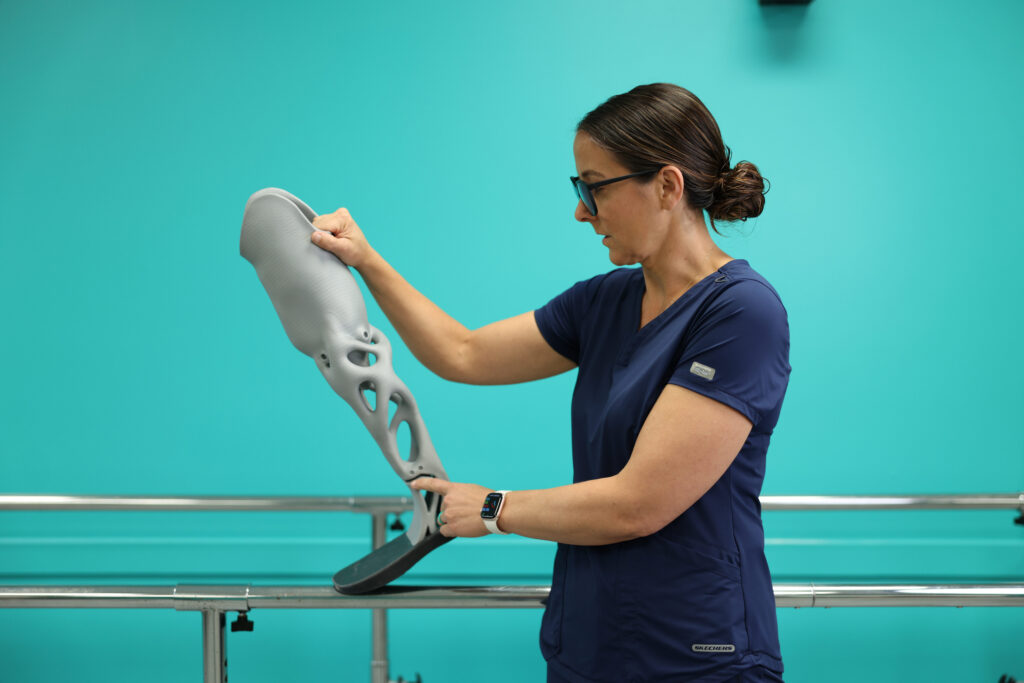
Moving Prosthetic Care Forward Together
At Gainesville Prosthetics, Cara’s approach to patient care reflects a balance of experience, innovation, and a genuine commitment to improving quality of life.
From helping a patient return to the water after years away to introducing lightweight prosthetic solutions that support everyday mobility, her work demonstrates how the right technology can create meaningful opportunities for individuals with limb loss.
Through its partnership with Limber, Gainesville Prosthetics continues to explore how additive manufacturing can expand access to functional, personalized prosthetic care.
Together, Cara and Limber share a commitment to advancing prosthetic technology without losing sight of what matters most: helping people move more freely, participate in the activities they love, and live life with greater independence.