
Todd Nakano, CPO, on Bringing Fully 3D-Printed Care Home to Hawai’i
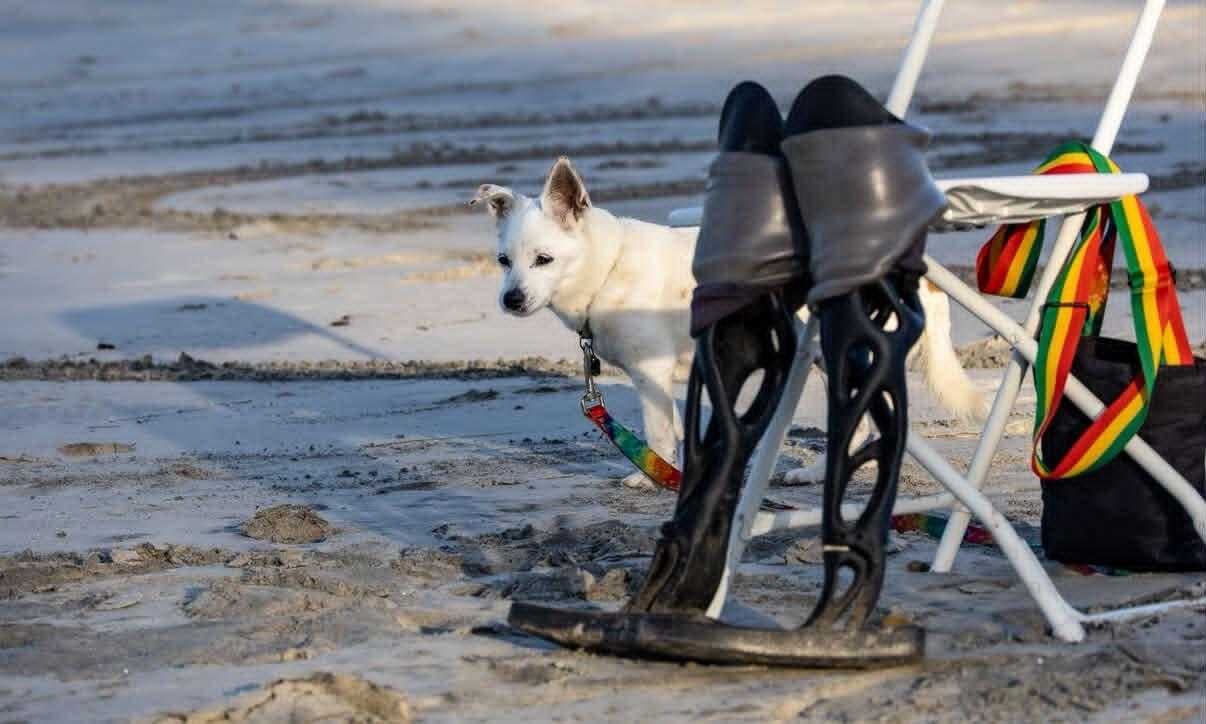
Our Clinic Spotlight series highlights the independent practices doing things differently – clinicians who saw a better way to serve their patients and were willing to be first. Paliku Prosthetics, founded by Todd Nakano, CPO, on O’ahu, is one of them. Todd is bringing the Limber Px1 to patients across the Hawaiian Islands, often literally to their front door.
A Homecoming Built on Service
Todd has worked in prosthetics for about 15 years, starting as a technician before going back to school to get certified. He remembers exactly what hooked him: shadowing a fitting early in his career, watching a bilateral below-knee amputee in her seventies stand up and walk across her living room with her whole family there to see it.
“That’s kind of why he took me to that one for a reason,” Todd says. “I was pretty hooked from there.”
Born and raised on O’ahu, Todd left home for training in Oregon before deciding to bring his skills back to the islands – both because the need was real (at the time, only a handful of prosthetists were practicing in Hawai’i) and because it meant serving the community that shaped him.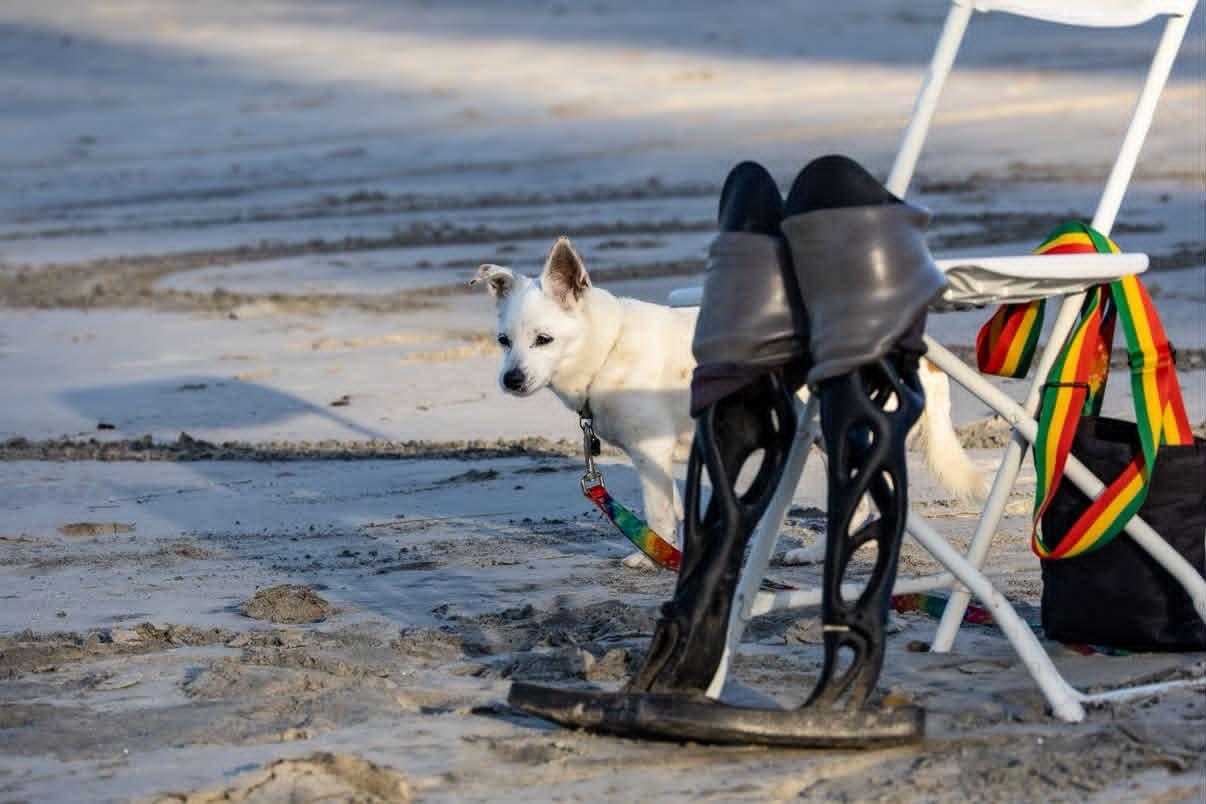 “Hawai’i has the Aloha spirit,” he says. “It’s such a unique place, in the way people treat each other… so multi-cultured, like a melting pot of its own. Coming home to serve these people was the intention from the time I got into this field.”
Solving an Island Problem
Todd first heard about Limber through fellow prosthetist Trevor Grimbleby at The AMP Group, and it caught his attention for a reason specific to where he practices. Hawai’i’s salt air is hard on conventional componentry… “every prosthetic that comes back to me has some type of rust or corrosion on it”, and a fully 3D-printed, single-piece device sidesteps that problem entirely. Weight was the other draw: it’s the most common complaint Todd hears from patients, regardless of what device they’re on.
Even so, he wasn’t ready to take it on faith. Todd bought his first two Px1s himself, out of pocket, before fitting them on a patient at no charge- he wanted to see for himself. “As soon as he was in it, the first couple minutes, and I saw the way the foot worked… how dynamic it was… then I was pretty sold,” Todd says. He’s been ordering more ever since.
A Digital Workflow for an Isolated State
For a state where materials can take a month to arrive by ship and skilled technicians are hard to recruit and even harder to keep, a workflow that doesn’t depend on either has obvious appeal. Todd does his own fabrication in-house and has built his practice around digital tools out of necessity – and he describes the transition to Limber’s process as unexpectedly smooth. “You’re kind of picky on the scans, but that’s very important to get the correct outcome of the leg, so I totally understand that,” he says with a smile… “Everything that’s come back has been plug and play.”
Care That Comes to You
Paliku Prosthetics recently opened a new location on O’ahu built around a mobile care model. Todd and his team go to patients rather than the other way around, an approach that matters a great deal in a state where a single round-trip between appointments can eat half a day. Todd’s truck carries a full toolbox of alignment components so he can capture a scan and dial in fit on the spot, in a patient’s home.
“It’s really interesting to go to people’s homes,” he says. “You’re able to evaluate them on a whole other level… see what obstacles they actually have day to day, and give them more hands-on feedback.” The new O’ahu location also has a dedicated gait room with a 28-foot parallel-bar run and a wall of mirrors for visual feedback during training. Today, Paliku’s mobile care reaches patients on O’ahu, Maui, and Moloka’i, with Kaua’i next on the list.
What Patients Are Feeling
Ask Todd what changed for his patients and he goes straight to weight. “The weight aspect is the biggest thing,” he says. “(Without) that pendulum effect in swing phase – getting the weight distributed closer to the body – it’s a game changer, because every patient complains about it. It’s hard to move away from that once you can offer them something like this.”
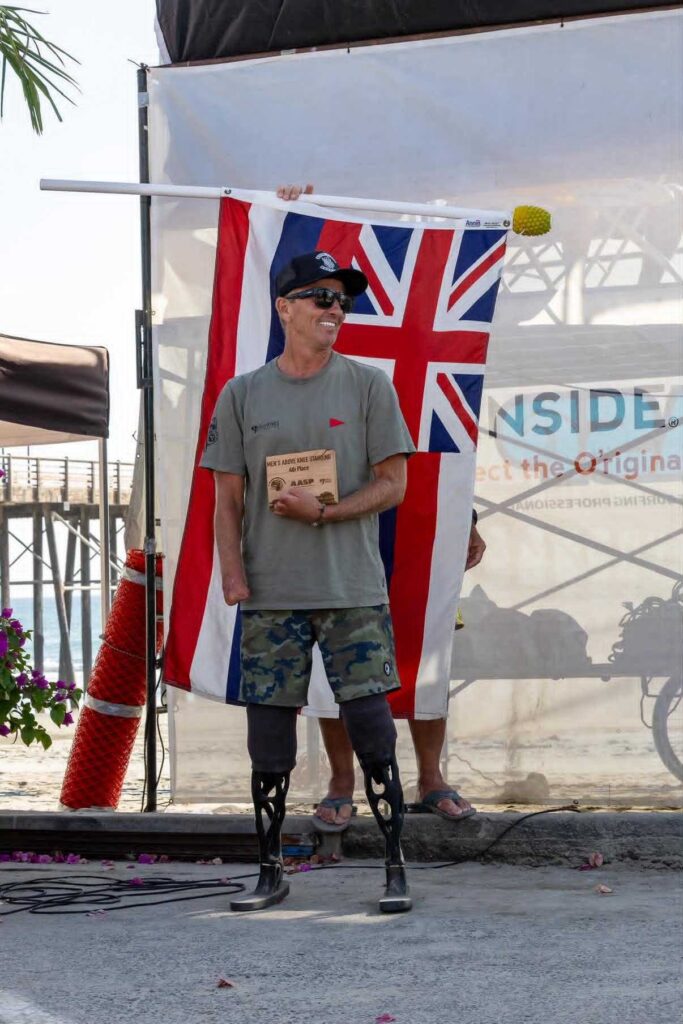
One of his most active patients, a competitive adaptive surfer, put it more simply. Within his first days on the device he sent Todd a video of himself throwing karate kicks around the clinic. Two weeks later, his verdict: “These are the best legs I’ve had.”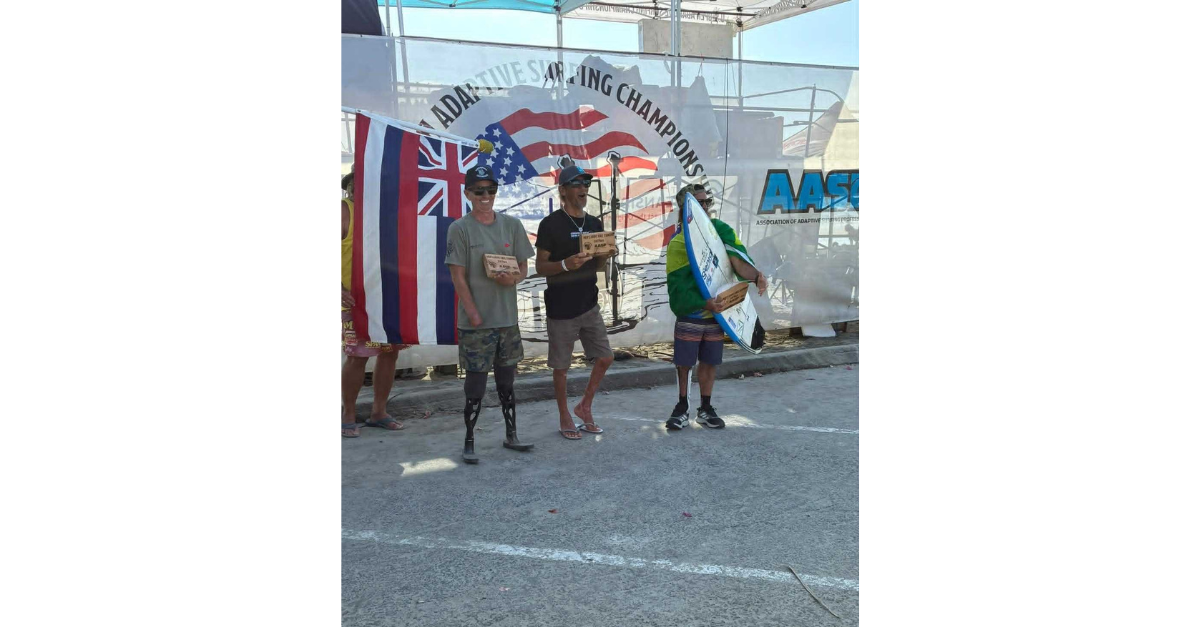
Todd is just as direct about the LF1 foot itself. “It’s an amazing function in the foot,” he says. “I’d go to it regardless.”
Looking Ahead
Todd sees the fully digital, 3D-printed model as especially well-suited to places like Hawai’i – and the wider Pacific – where distance and a thin labor market have always made conventional prosthetic care harder to deliver. “As a business, you make money when your practitioners are in front of patients,” he says. A workflow that doesn’t require a technician on staff and materials on hand lets him spend more of his time doing exactly that – fitting patients, not fabricating.